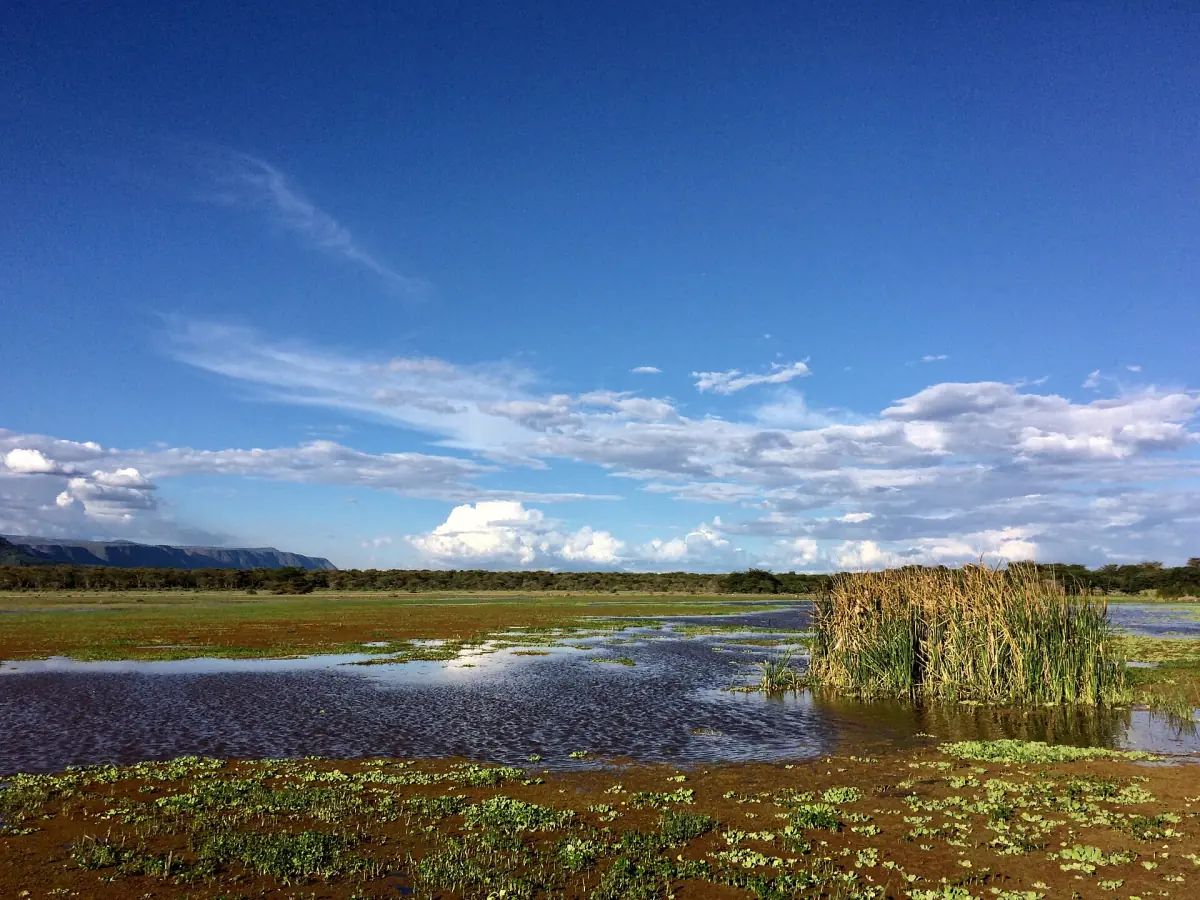
Lake Manyara weather at a glance
Northern Tanzania, including the Arusha and Manyara region, has a two-peak rain pattern. The long rains, called Masika, fall from March to May. The short rains, called Vuli, fall from October to December. January and February are relatively dry, and June to September are the dry months across the country.
That is a seasonal pattern, not a forecast. Rain can start earlier or later, and a single day can differ from the average. The park lies at about 960 metres above sea level, at the foot of the Rift Valley wall, so what falls on the wall above can change conditions in the park below.
If you are still choosing dates, compare them with the trips on the Lake Manyara safari page. Most operators run all year, and you can ask them for the local picture before you book.
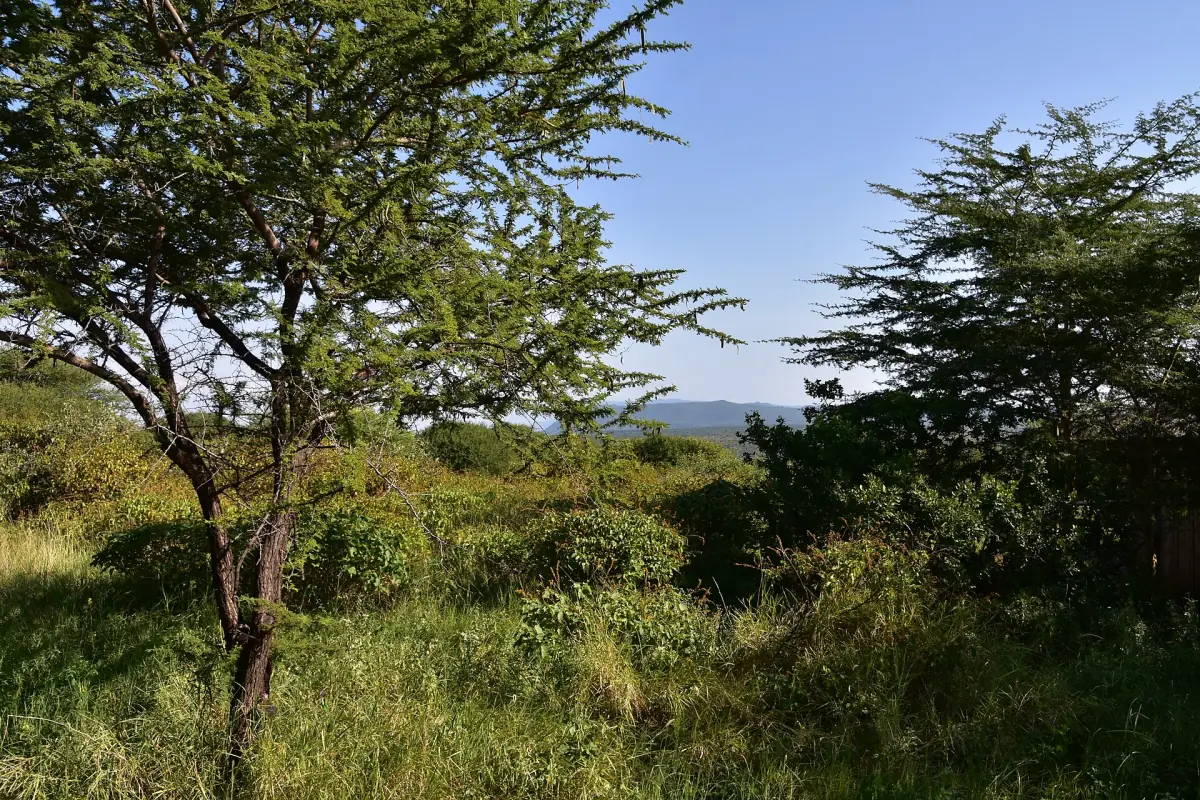
Our pick: a day trip with a weather-dependent canoe
The optional canoe outing on this day trip only runs when the weather allows.
Hand-picked tours, booked through GetYourGuide. Prices are indicative starting prices in US dollars (as of October 2026). Tap a tour for live availability and the current price in your currency.
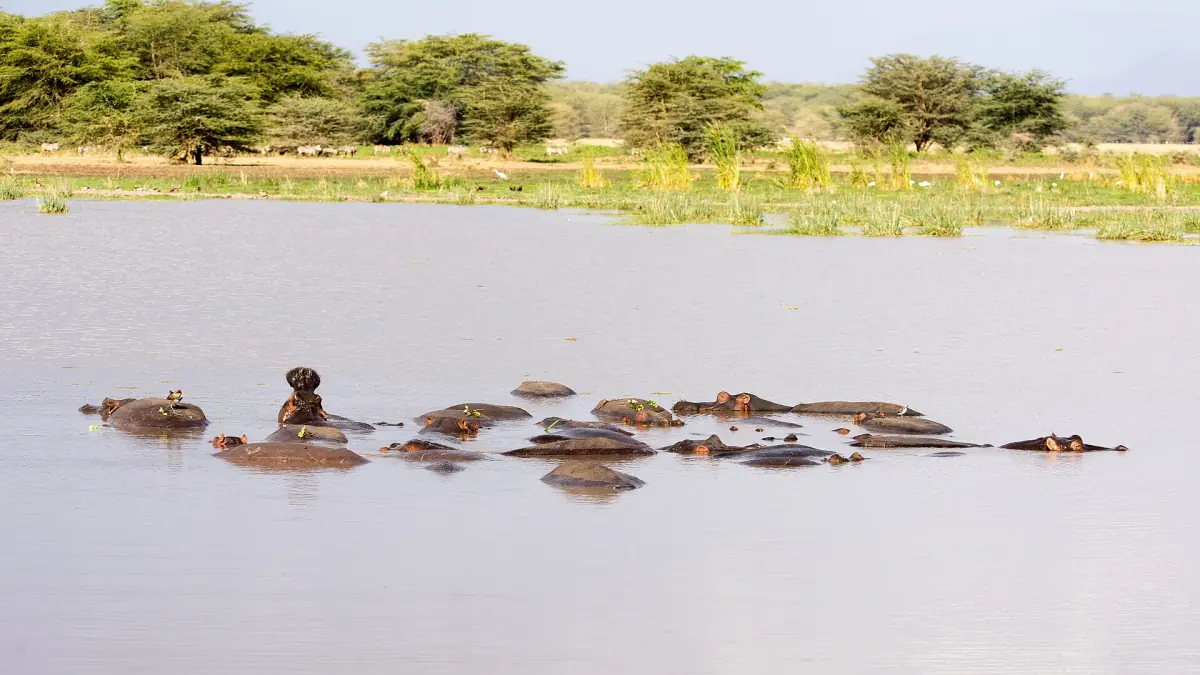
Lake Manyara tours through the seasons
Guided drives in Lake Manyara National Park, with live prices and availability. Compare your dates before you book.
Best time to visit Lake Manyara
Every season has a case for it.
| Months | Season | What it means for a visit |
|---|---|---|
| January to February | Relatively dry | A popular period, between the two rainy seasons |
| March to May | Long rains (Masika) | Wet season, expect rain and ask about the tracks |
| June to September | Dry | Part of the popular dry period |
| October to December | Short rains (Vuli) | Rain returns, usually in shorter bursts than in spring |
The park can be visited all year. The dry months from June to October and January and February are usually named as the popular periods. Treat that as a guide, not as a rule.
For most visitors, June to October is the simplest choice, and January and February are a good alternative. If you travel in the rains, you trade some comfort for fewer visitors and green scenery.
What the seasons do to the lake and the animals
No guarantees in either direction.
Flamingos
Flamingo gatherings are seasonal and depend on the water. Rain does not guarantee a full shore, and dry months do not rule one out. See the flamingos and birds page.
Tree-climbing lions
Observations of lions in trees in northern Tanzania suggest climbing is rare and may be seen a little more in the wet season and in the afternoon. That is no rule, and nobody can promise it. Read the tree-climbing lions page.
Forest and plains animals
Elephants, baboons, hippos, giraffes and others live in the park all year. Which are easy to see changes by area and by day. See Lake Manyara animals.
Water level
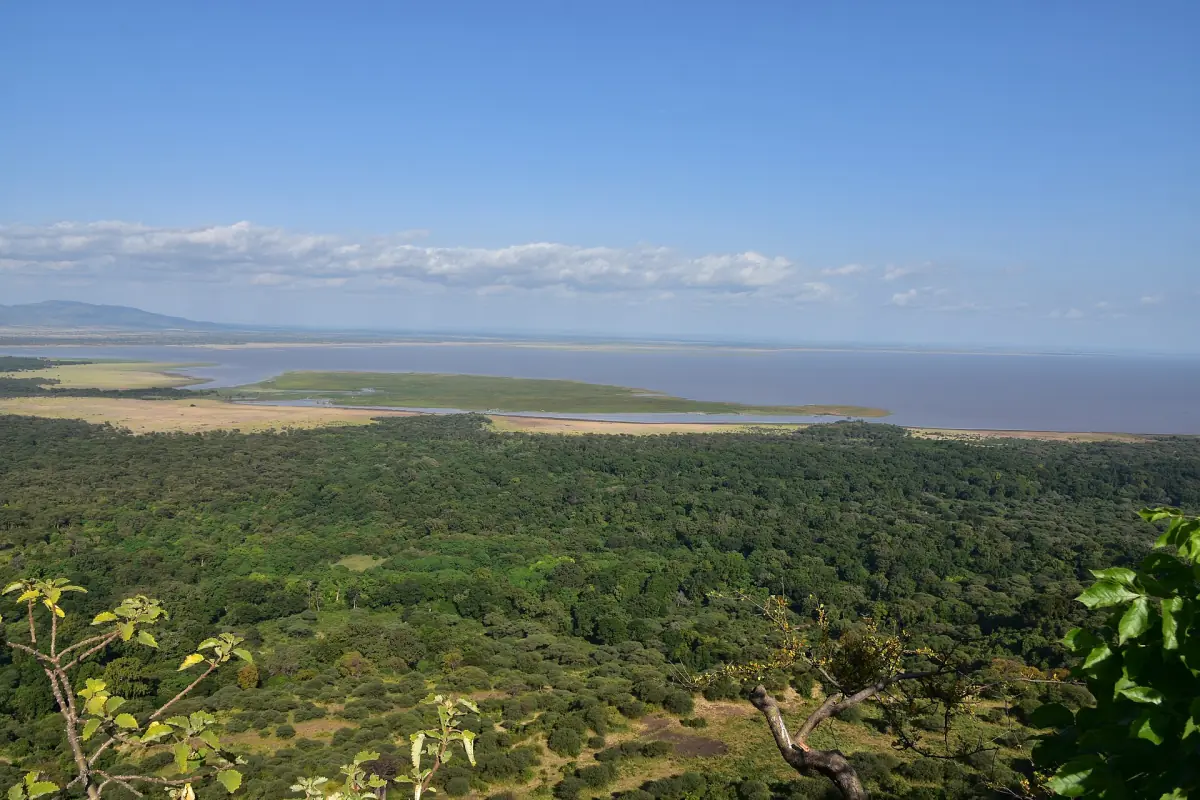
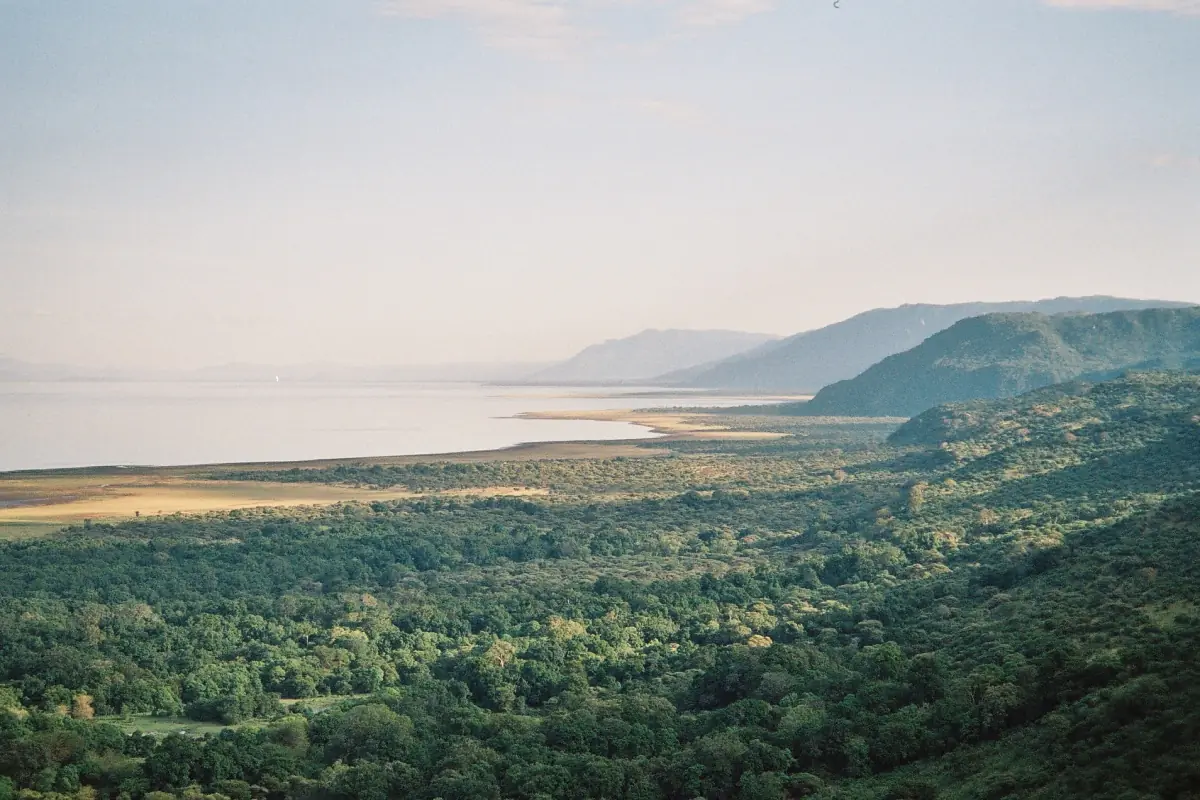
The shoreline moves with the water. Ask your guide what the shore looks like when you arrive.
Packing and planning for the weather
Simple choices that fit any month.
Layers
Mornings in an open vehicle can be cool, and the day warms up. Bring a light layer and a hat.
Rain cover
Pack a light rain jacket if you travel in the Masika or Vuli months. Keep your camera in a dry bag.
Sun and dust
Sun cream, sunglasses and a scarf help in the dry months, when tracks can be dusty.
Ask about the tracks
After heavy rain your guide may change the route. Be flexible and ask what is open on the day.
Lake Manyara is often combined with its neighbours on the same trip. When you plan a route, compare the weather at Tarangire and the best time for the Ngorongoro Crater.
Where to go next
Pages that help you plan dates.
Lake Manyara weather: frequently asked questions
When is the best time to visit Lake Manyara?
The park can be visited all year. The dry months from June to October and the weeks of January and February are the popular periods. Choose by what matters to you, not by a promise of sightings.
When does it rain at Lake Manyara?
The long rains fall from March to May and the short rains from October to December. January and February are relatively dry.
Is the rainy season a bad time to go?
Not necessarily. You trade some comfort and easy tracks for fewer visitors and green scenery. Ask your operator what the tracks are like.
Do flamingos come in the rainy season?
There is no rule. Flamingo gatherings are seasonal and depend on the water, so neither the rains nor the dry months guarantee them.
What temperatures should I expect?
Mornings in an open vehicle are cooler and the day warms up. Pack layers, sun protection and a rain jacket for the wet months.
Can I get a weather forecast for my date?
Seasonal patterns are a guide only. Check a current forecast shortly before you travel, and ask your guide on the day.