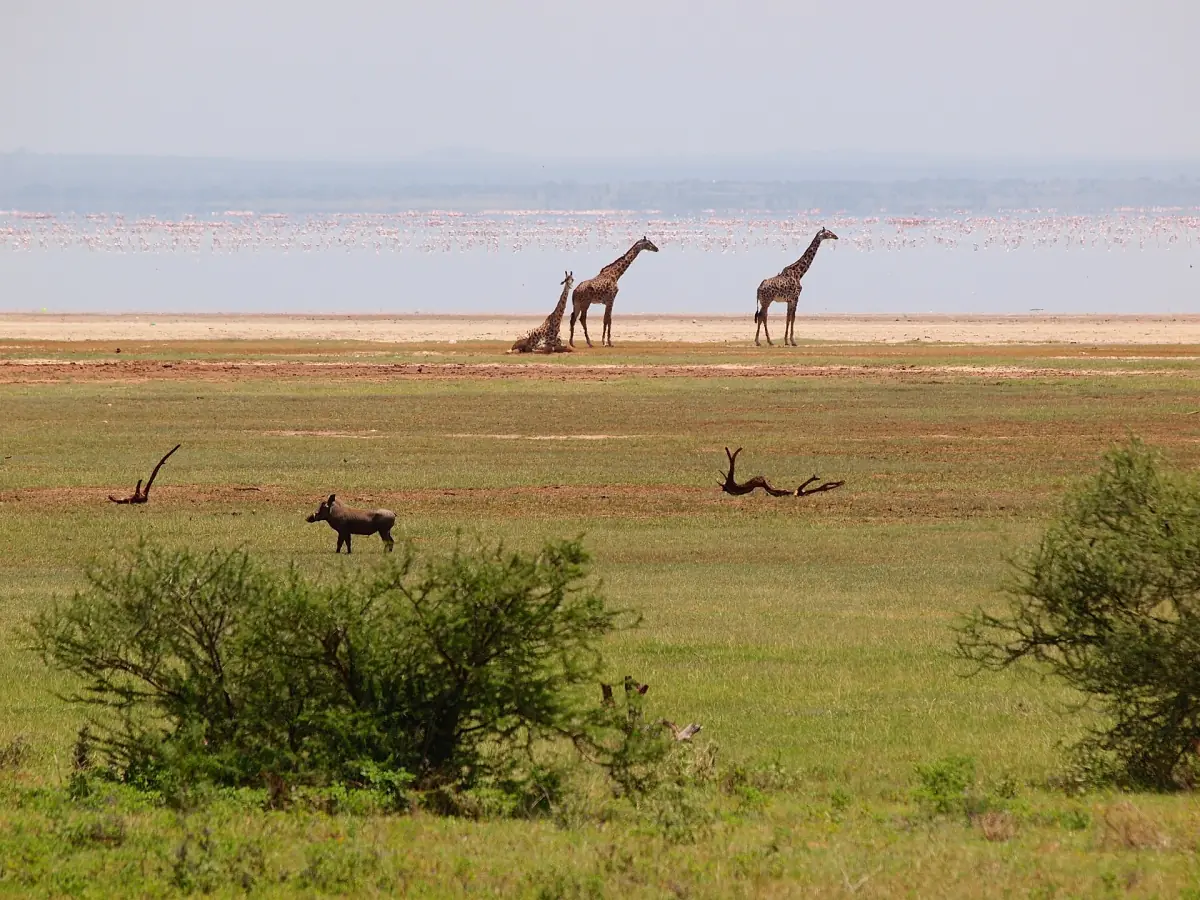
Lake Manyara safari: what a game drive covers
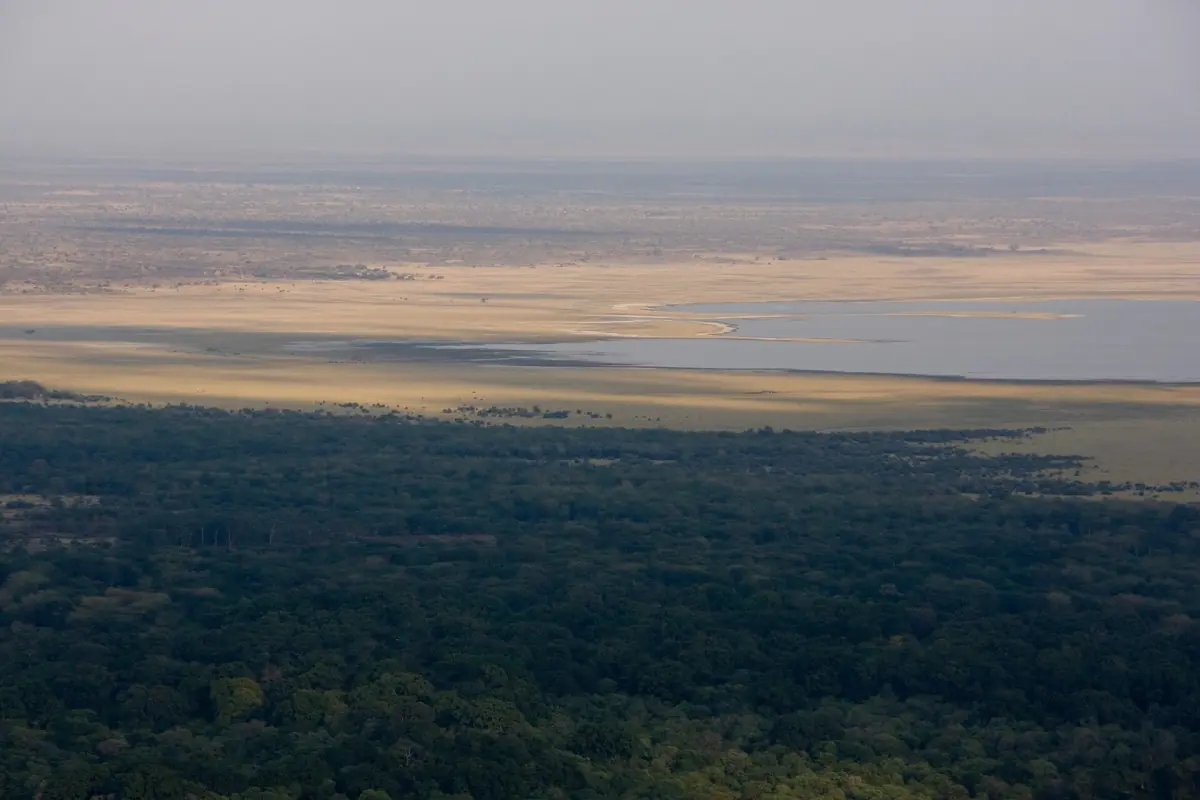
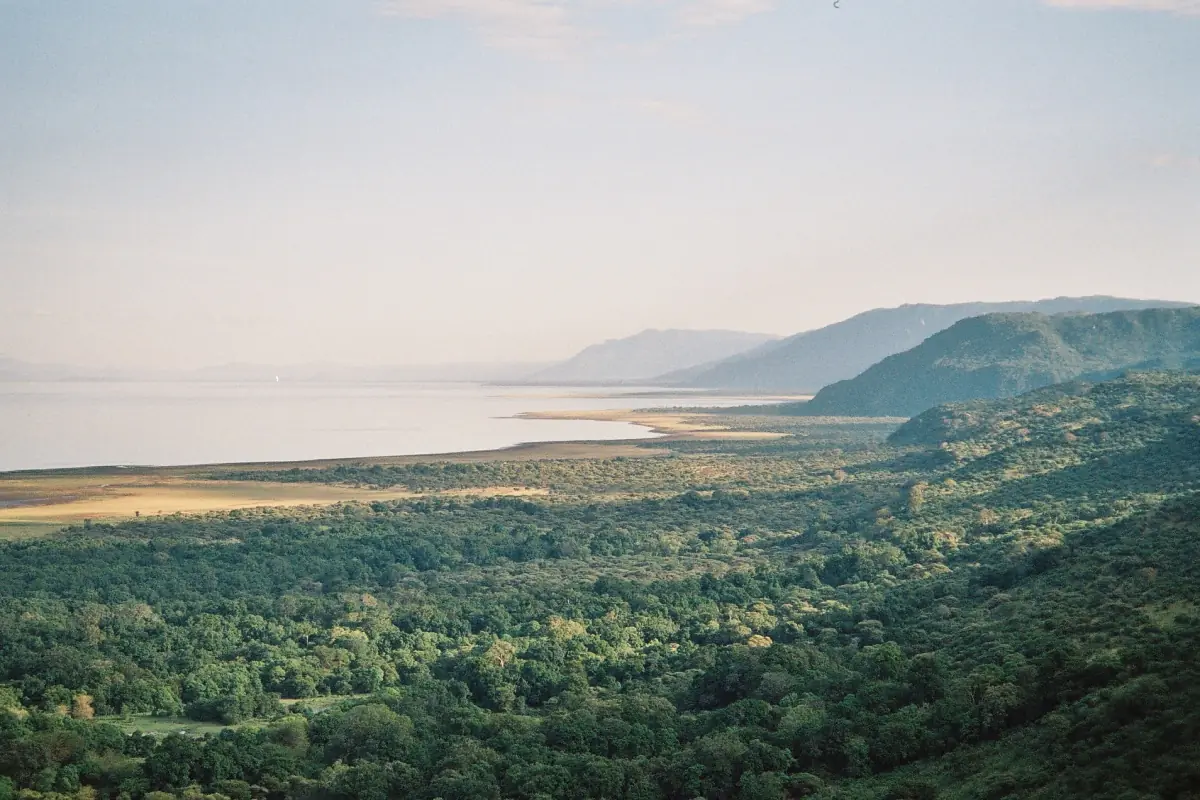
A Lake Manyara safari is, in practice, a day game drive in a vehicle. The park runs from a green groundwater forest near the gate to open flats and the shore of a soda lake, so a single drive crosses several kinds of country. That variety is the reason many safari itineraries include Manyara even when it is not the main destination.
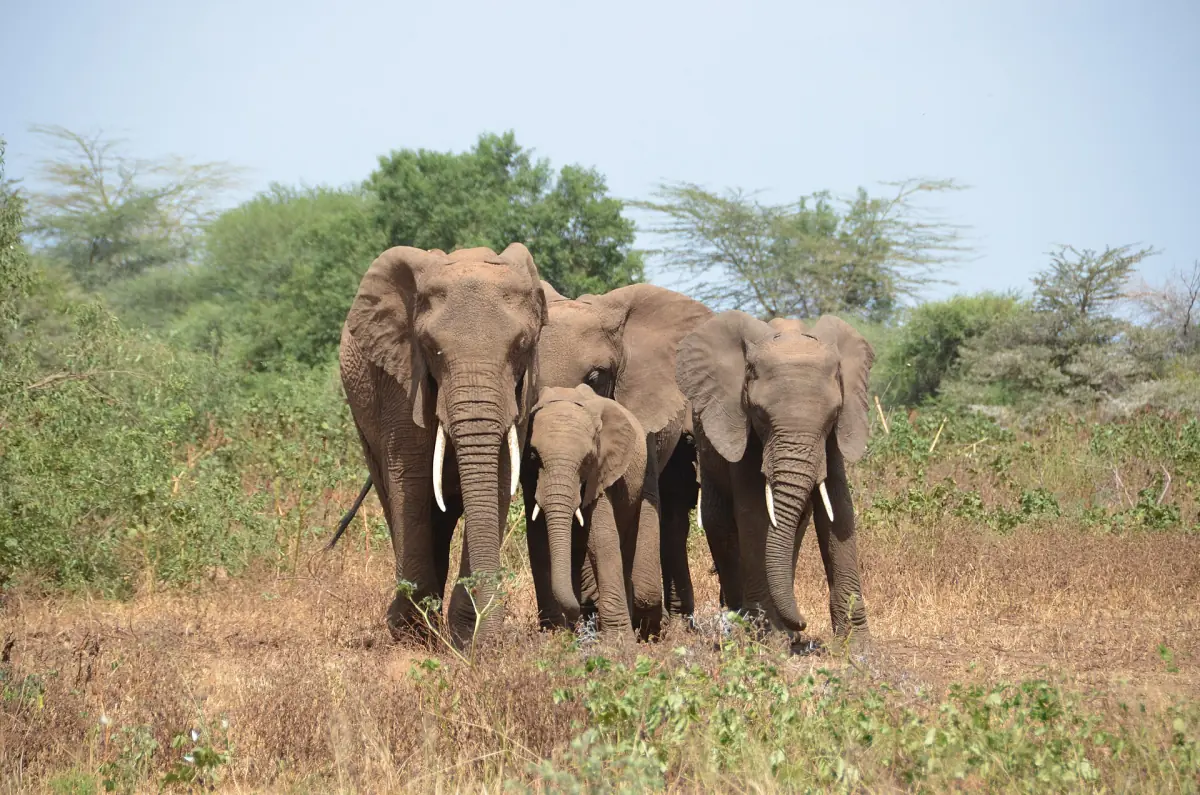
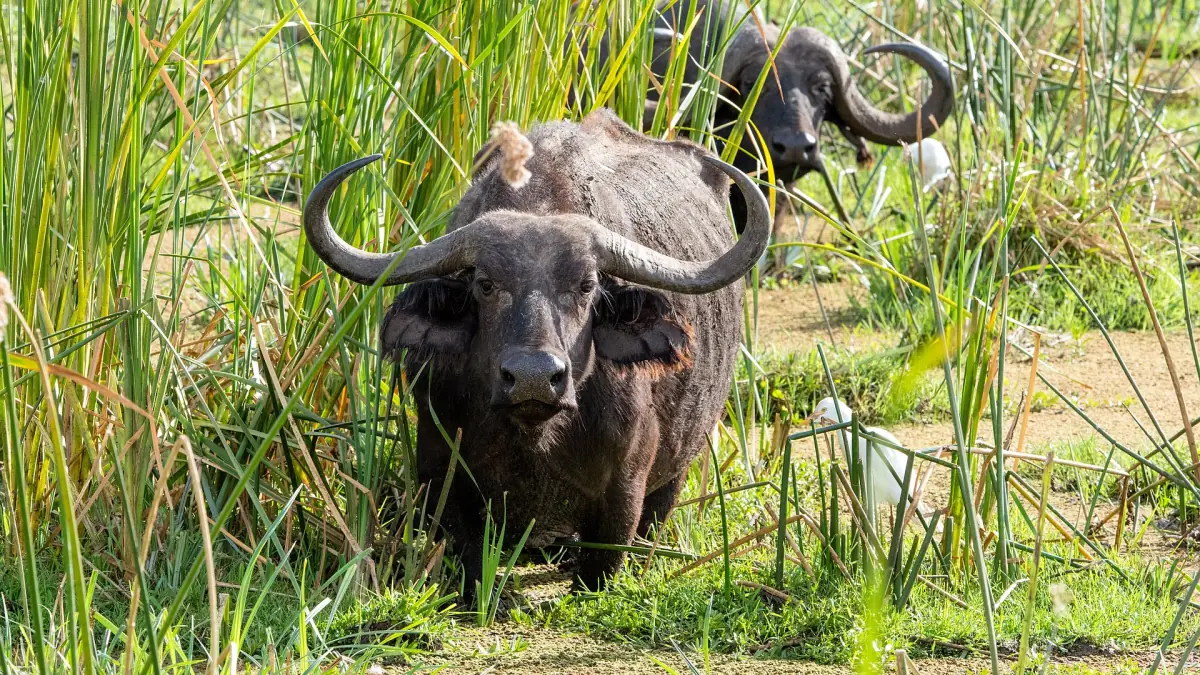
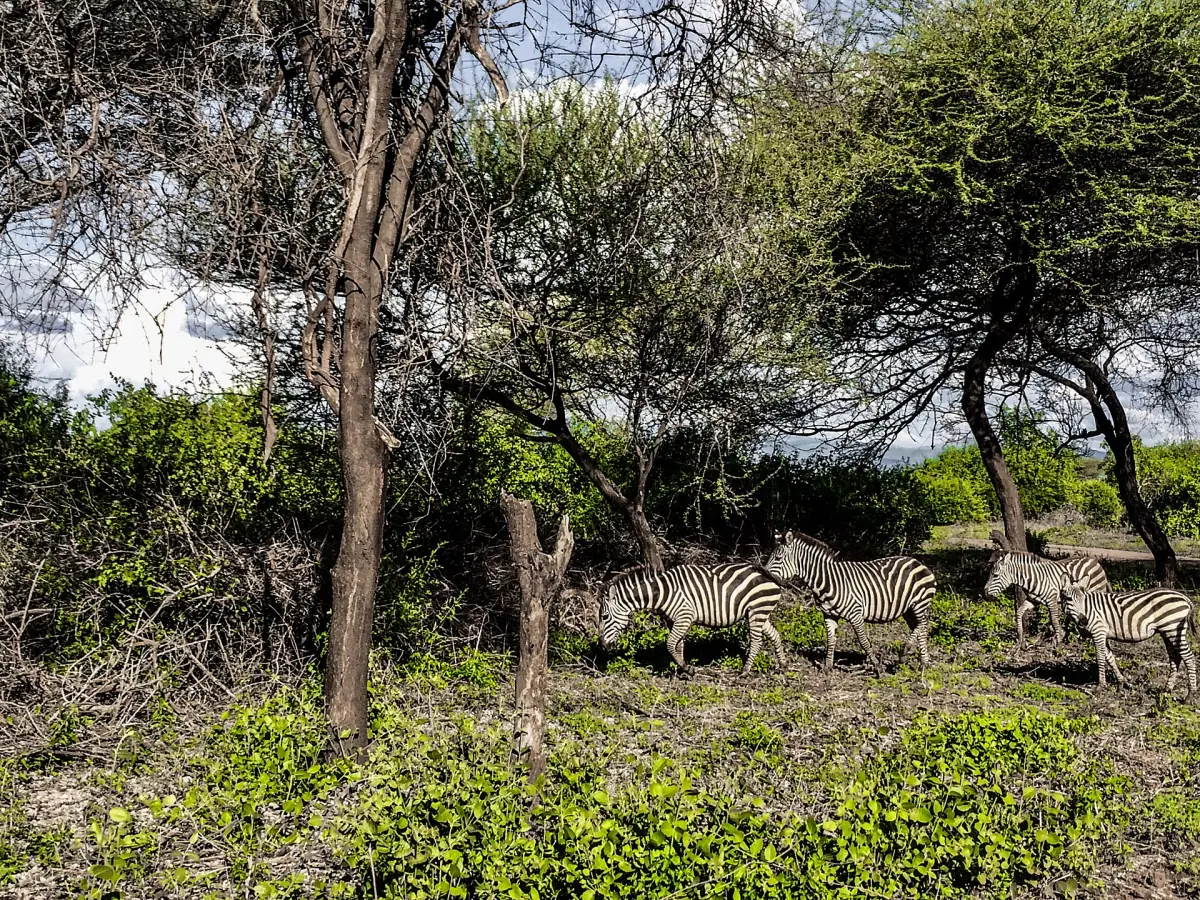
Animals are not stops on a timetable. Elephants, buffalo, zebras, wildebeest and giraffes use the flooded grassland, hippos stay near the shore, and baboons, blue monkeys and bushbuck live in the forest. Good chances are not promises, and the same drive can look very different in the wet and the dry season.
Our picks: Lake Manyara safaris
The one- or two-day trip keeps it short, while the five-day camping trip adds the Serengeti. Ask whether park fees are included on the three-day group trip.
Hand-picked tours, booked through GetYourGuide and Viator. Prices are indicative starting prices in US dollars (as of October 2026). Tap a tour for live availability and the current price in your currency.
5-day group camping safari in northern Tanzania
- Park entry fees
- Camping and meals
- English-speaking guide
Tarangire, Lake Manyara, Serengeti and Ngorongoro, with Lake Manyara on day two. The nights are spent in camp.
Check availability →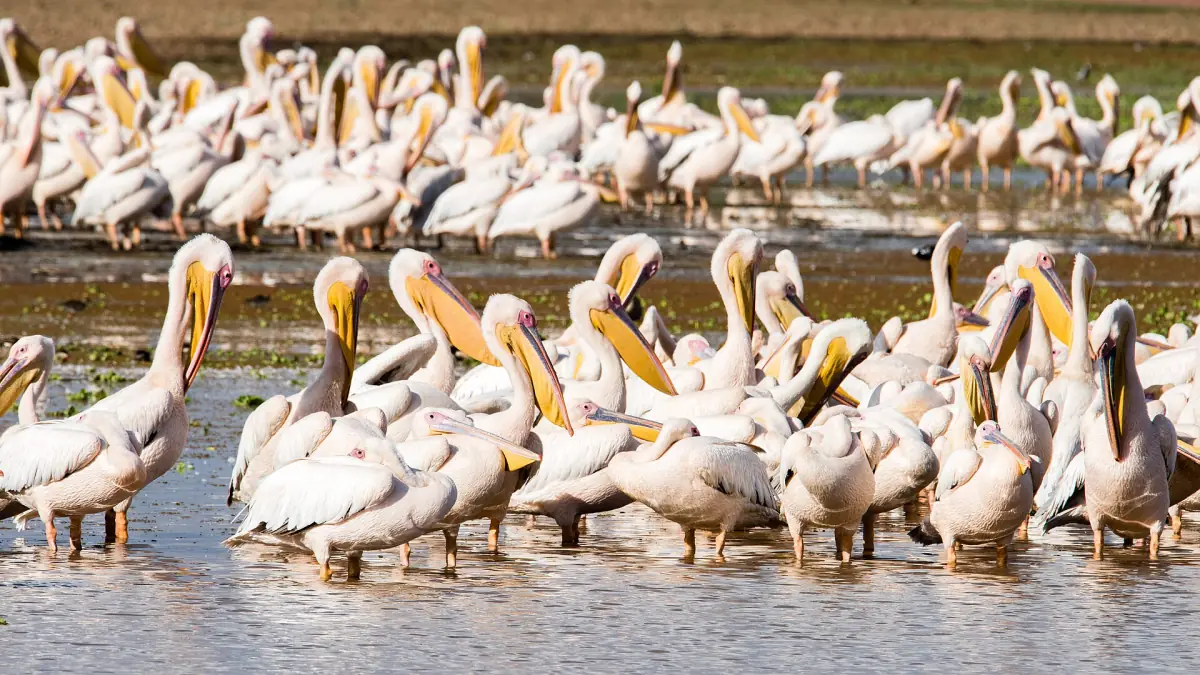
3-day group camping safari: Tarangire, Ngorongoro and Lake Manyara
- Breakfast, lunch and dinner
Three parks in a shared group, sleeping in camp. Ask whether park fees are included before you book.
Check availability →Tarangire and Lake Manyara safari, one or two days
- Park entry fees
- 4x4 with pop-up roof
- Budget night on 2-day option
Choose the one-day or the two-day version when you book. The two-day version covers Tarangire and Lake Manyara with three meals along the way.
Check availability →Lake Manyara safaris and game drives
Day safaris, Ngorongoro combinations and village tours, with live prices and availability.
Routes and habitats on a game drive
The order of the stops follows the land, from the gate to the south.
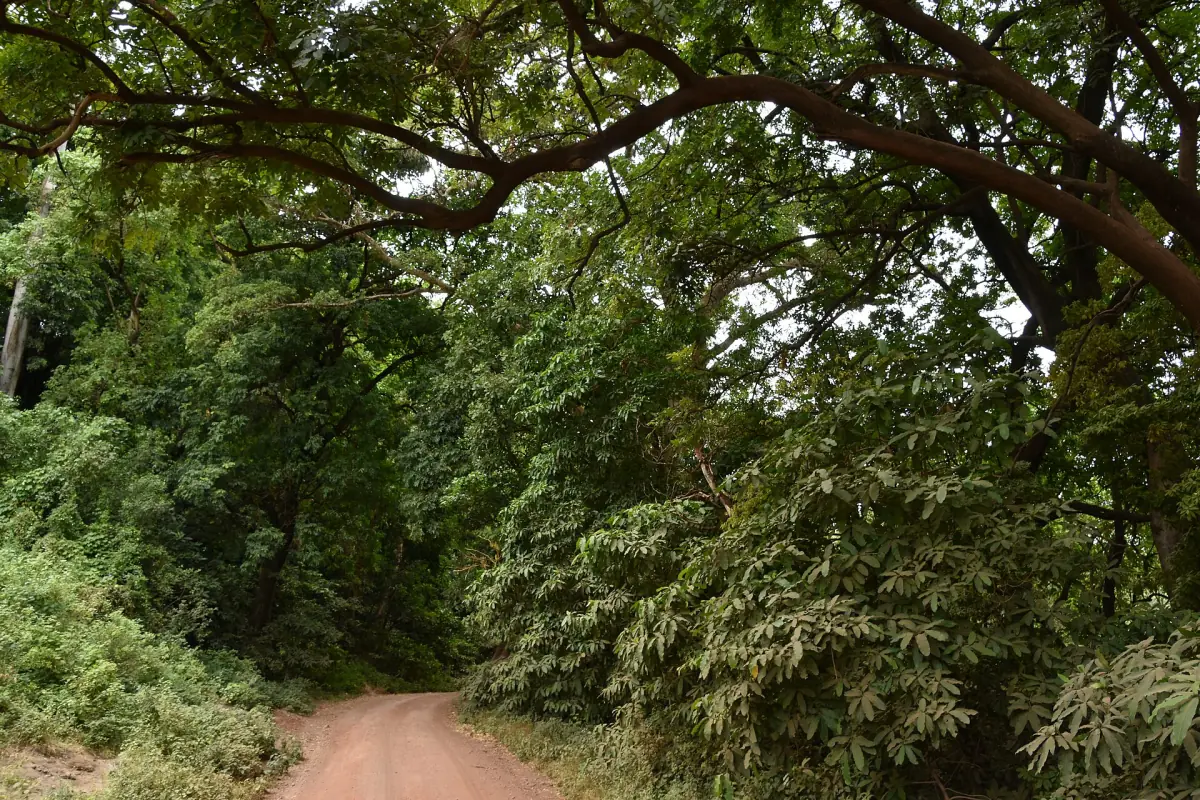
The forest near the entrance
The track starts in dense groundwater forest fed by springs below the escarpment. Baboons are the most visible animals here, and blue monkeys and bushbuck live in the shade. The same forest holds the treetop walkway, described on its own page: Treetop Walkway.
Acacia woodland and floodplains
Beyond the forest the track opens into acacia woodland and flooded grassland. Elephants, buffalo, zebras, wildebeest and giraffes feed here. With some luck you also look for lions resting in trees: tree-climbing lions are a chance, not a feature you can book.
The lakeshore, hippo pools and hot springs
On the shore route you find wetlands, hippo pools and, in the south, the Maji Moto springs. Water birds gather along the edge, and flamingo numbers depend on the season and the water. Read the guides to flamingos and birds and the hot springs before you choose your stops.
For a longer list of species, see Lake Manyara animals. Stay on tracks and boardwalks, keep your distance at the hippo pools and never feed or crowd animals.
The gate closes at 6 p.m., so plan to be out before then and ask your driver for the exact times of your day. A permit is valid for 24 hours from entry, while the 2023/24 tariff distinguished a day permit of 12 daylight hours. Ask which one applies to your booking.
Lake Manyara safari prices: what is charged separately
Park entry, vehicle, guide and activities are separate items in the tariff, so a package price can hide or include them.
| Entry per person | 2023/24 tariff, before 18 percent VAT | Set for the 2026/27 season |
|---|---|---|
| Non-EAC adult, 16 and over | $50 (16 May to 14 March), $45 (15 March to 15 May) | TZS 127,750 per 24 hours |
| Non-EAC child, 5 to 15 | $15 | TZS 38,325 |
| Tanzania resident or expatriate adult | $25 (peak), $22.50 (low) | TZS 63,875 |
| EAC citizen adult | TZS 10,000 | TZS 10,000 |
| Children under 5 | Free | Free |
In the 2023/24 tariff, VAT of 18 percent came on top, while from 2026/27 it may already be included in the amount. Check the current amount before you book and ask whether park fees are part of the safari price. Vehicles, guide service and park-based activities are charged on top of entry. The full picture is on the park fees page.
For most visitors, a day safari that includes the park fee and a driver-guide is the simplest way to see the park. Travellers with their own plans can add activities such as night drives, canoeing and walking safaris.
Tanzania safari: where Manyara fits
Manyara is a half-day or full-day stop on the northern circuit.
Manyara sits on the road from Arusha to the highlands, so it is a natural first or last stop on a northern Tanzania safari. For the crater and the highlands beyond the escarpment, see the Ngorongoro Crater guide. For elephants and baobabs, the Tarangire 3-day safari page shows how multi-day routes are put together.
A day trip from Arusha works, but the drive takes about 4 to 5 hours return. Our guide to Lake Manyara day trips compares the options, and getting there covers roads and the airstrip.
Lake Manyara safari: frequently asked questions
How long should a Lake Manyara safari be?
A half day to a full day covers the main habitats. A day trip from Arusha leaves less time in the park because the drive takes about 2 to 2.5 hours each way. Many visitors combine Manyara with a longer northern circuit.
Will I see tree-climbing lions?
Maybe, with some luck. Seeing them is a matter of chance, and there is no reliable sighting rate. Read the page on tree-climbing lions for what is known.
Are park fees included in the safari price?
It differs by operator. Entry, vehicle and guide are separate items in the tariff, so ask what the price covers. The 2023/24 tariff set $50 for non-resident adults in peak season, before VAT.
Can I pay the park fee by card?
Visa and Mastercard are accepted at the gate, along with mobile money and online payment through the government payment system. Operators often pay on your behalf.
Is this the official Lake Manyara website?
No. This is an independent guide. It is not run by Tanzania National Parks (TANAPA) or any authority, and it is not connected to any safari operator, lodge or village programme.