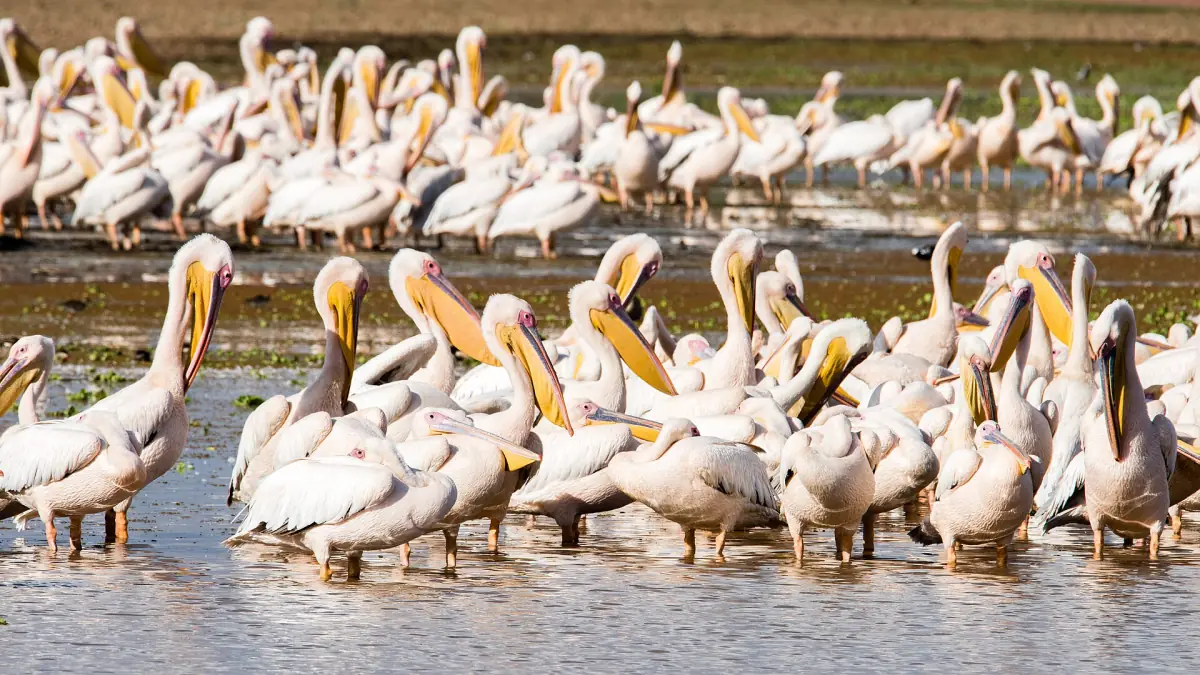
Flamingos and birds at Lake Manyara
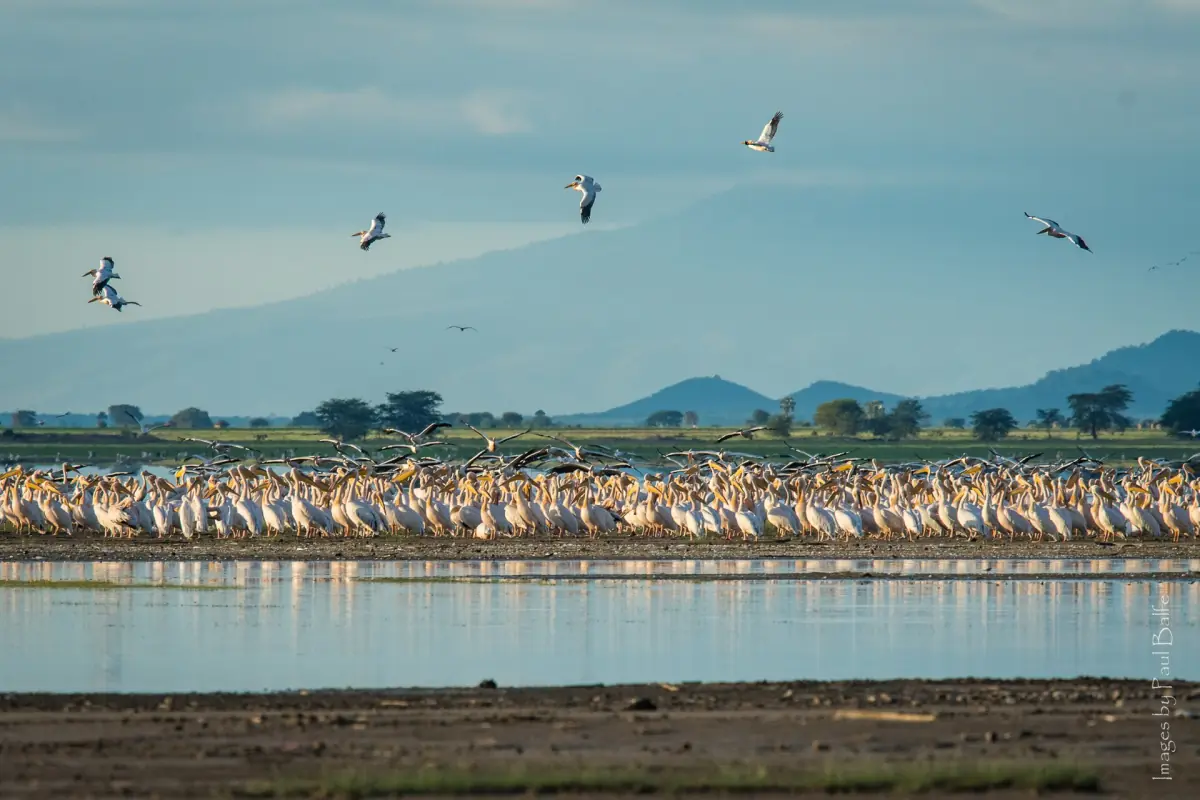
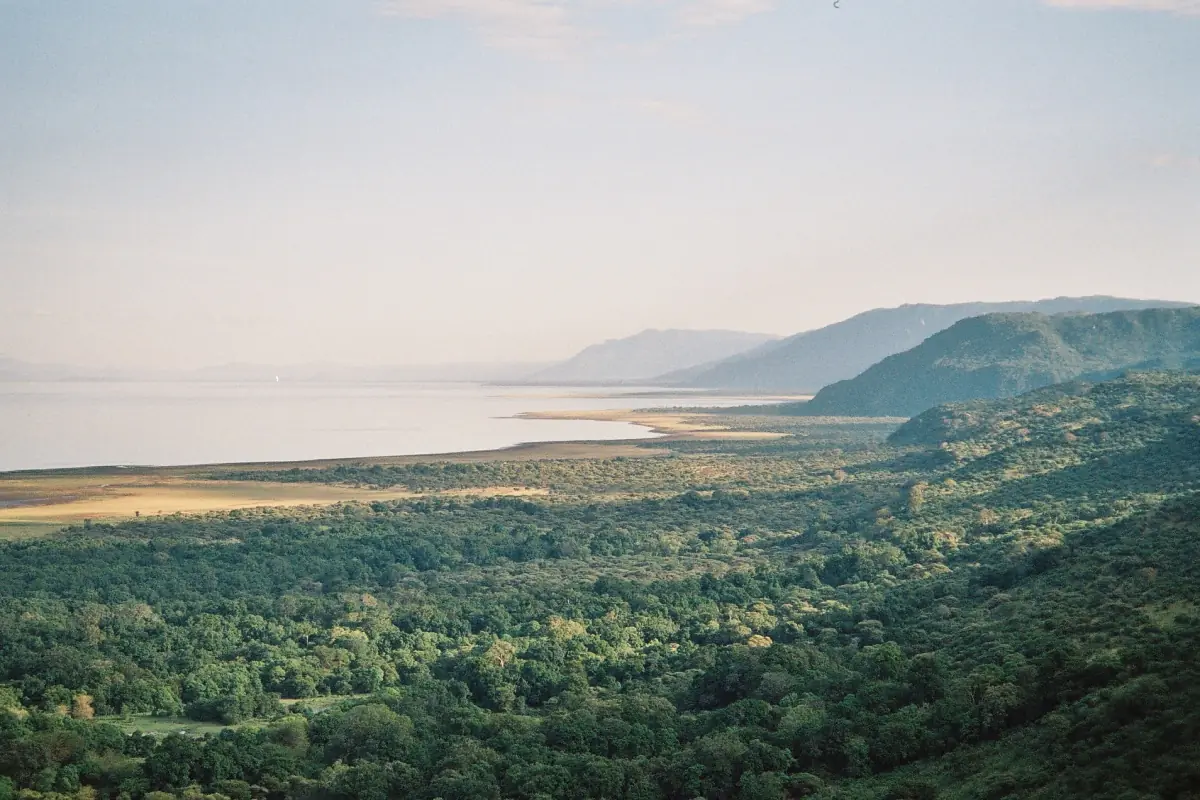
The lake and its shore host lesser and greater flamingos, pelicans and many other waterbirds. The soda lake is shallow and the shoreline moves, so birds gather in some places and months and are absent in others. Flamingos are a seasonal sight here, not a fixed backdrop. Nobody can promise a pink shoreline on a given day.
Counts run from more than 380 to more than 400 bird species, depending on the area counted, so read it as "several hundred species" rather than an exact total. The reason for the long list is the mix of habitats: groundwater forest, acacia woodland, floodplain and open shore.
Most birdwatching happens on an ordinary game drive. If birds are your main interest, tell your guide at the start and ask for the lakeshore. A Lake Manyara safari by vehicle is the usual way to see them.
Our pick: a safari with Lake Manyara on day one
Lake Manyara is the first stop on this two-day trip, which then continues to the crater; flamingo sightings cannot be promised.
Hand-picked tours, booked through GetYourGuide. Prices are indicative starting prices in US dollars (as of October 2026). Tap a tour for live availability and the current price in your currency.
Lake Manyara bird and game drives
Guided drives through the forest and along the lakeshore, with live prices and availability. Tell the guide you want to see birds.
Lake Manyara birds by habitat
Where to look for which group.
The lake and its shore
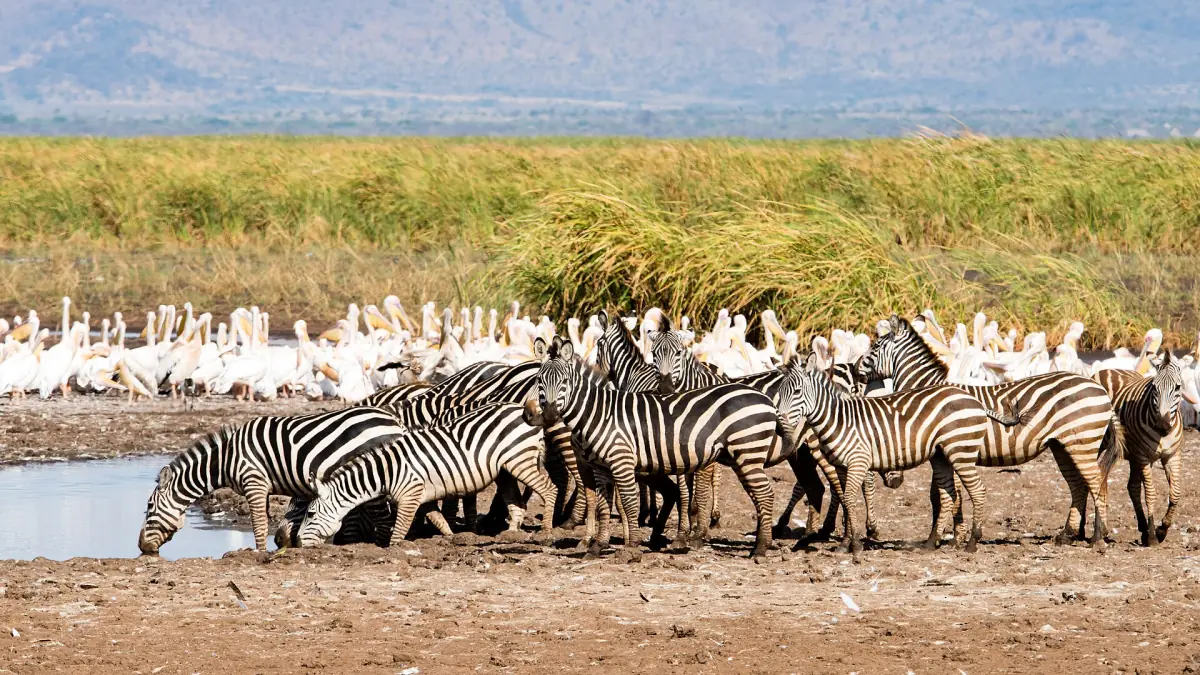
Flamingos and pelicans feed in the shallows. Storks, herons and spoonbills use the same water. Flocks of pelicans can be large, and zebras sometimes drink close to them.
Wet ground and mud
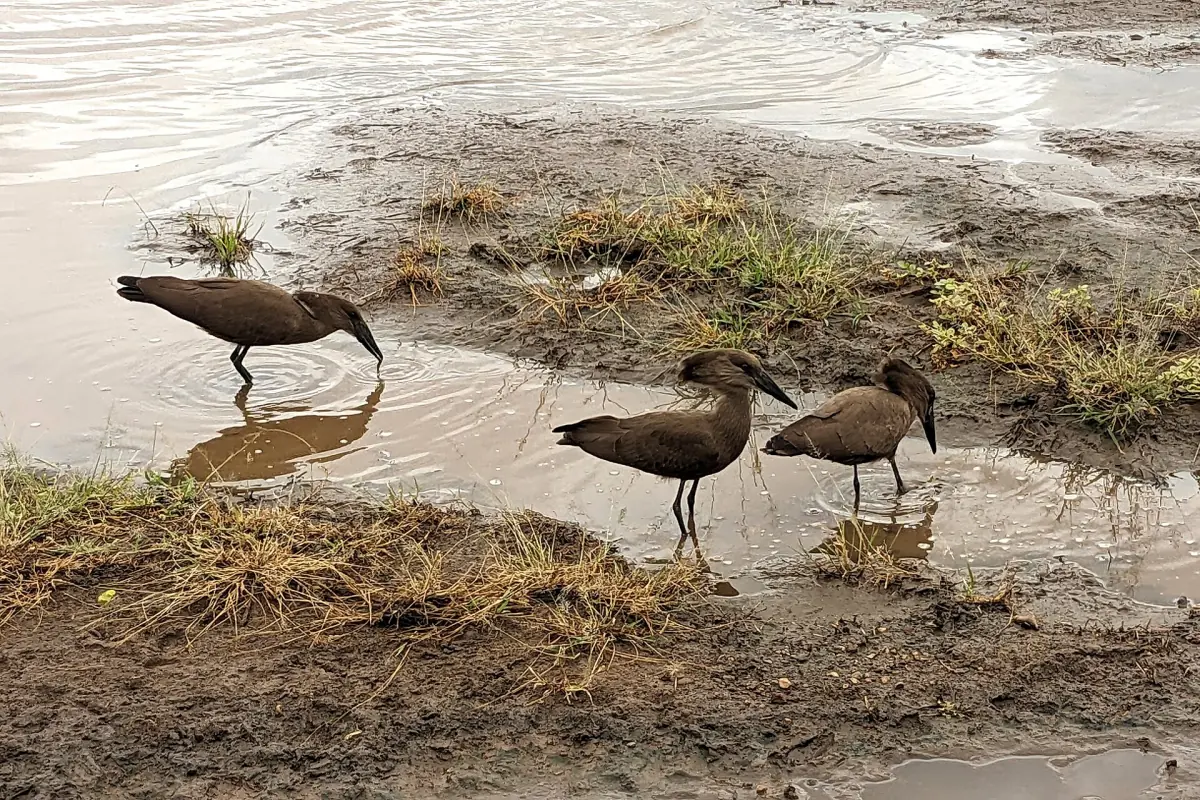
On muddy flats and floodplains you may find hamerkops wading, Egyptian geese at the water's edge and sacred ibis in the shallows.
Groundwater forest
Near the entrance the forest holds birds you do not see on the shore. The silvery-cheeked hornbill lives in the area around the Treetop Walkway, and the canopy walk puts you at bird height.
The Treetop Walkway →Raptors and bee-eaters
Fish eagles hunt over the water, and bee-eaters perch on open branches. Both are good targets for a slow drive.
When flamingos come, and when they do not
The water decides.
Flamingo numbers rise and fall with the season and with the state of the lake. In some months large groups gather along the shore, in others there are few. No monthly calendar can tell you which. Treat the dry months as a good time for a general bird trip, and treat flamingos as a bonus.
Because the shoreline moves, the best spot changes. Ask your guide where birds were seen in the days before you arrived, and be ready to drive further along the shore. For the full seasons, see the Lake Manyara weather page.
| Group | Where | Season |
|---|---|---|
| Flamingos | Lake shallows | Seasonal, depends on the water |
| Pelicans | Lake and shore | Often present, numbers vary |
| Storks, herons, spoonbills | Shallows and floodplain | Throughout the year |
| Fish eagles | Over the water | Throughout the year |
| Forest birds | Groundwater forest | Throughout the year |
For most visitors, a morning drive that covers both forest and shore gives the widest bird list. Combine it with the animals described in the Lake Manyara wildlife guide.
Birdwatching tips
Small habits that help.
Bring binoculars
Birds on the water are often far from the track. A pair of binoculars matters more here than a long lens.
Drive slowly and stop often
Ask the guide to stop rather than drive past. Small birds on branches are easy to miss at speed.
Stay on the tracks
Keep to the paths and boardwalks, keep your distance from roosting birds and do not feed any animal. Shy birds leave if you get too close.
Pick an early start
Early hours give cooler air and calmer water. Ask your guide when the park gate closes, and plan to be out in time.
Elephants and baboons share the same shore. A tree-climbing lion may turn up on the same day, but nothing is guaranteed. See the tree-climbing lions page for what is known.
More at Lake Manyara
Pages that go with the birds.
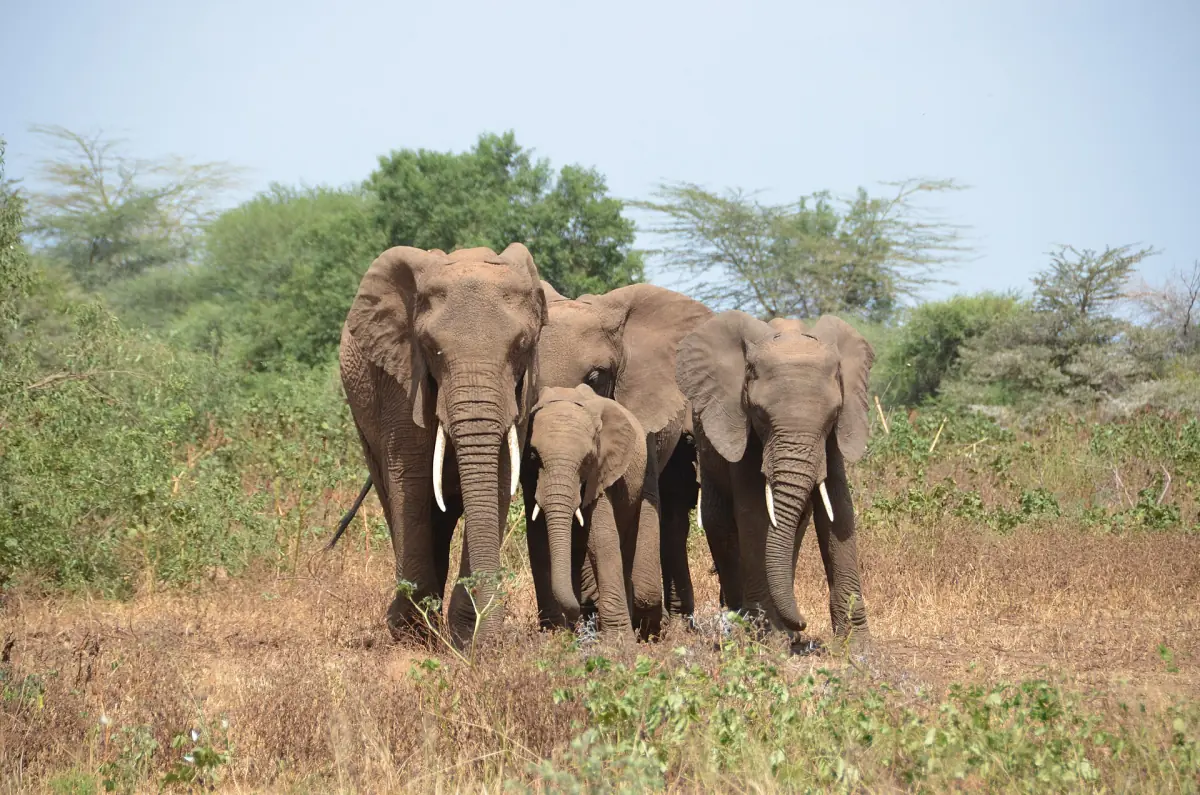
Lake Manyara animals
Elephants, baboons, hippos and more.
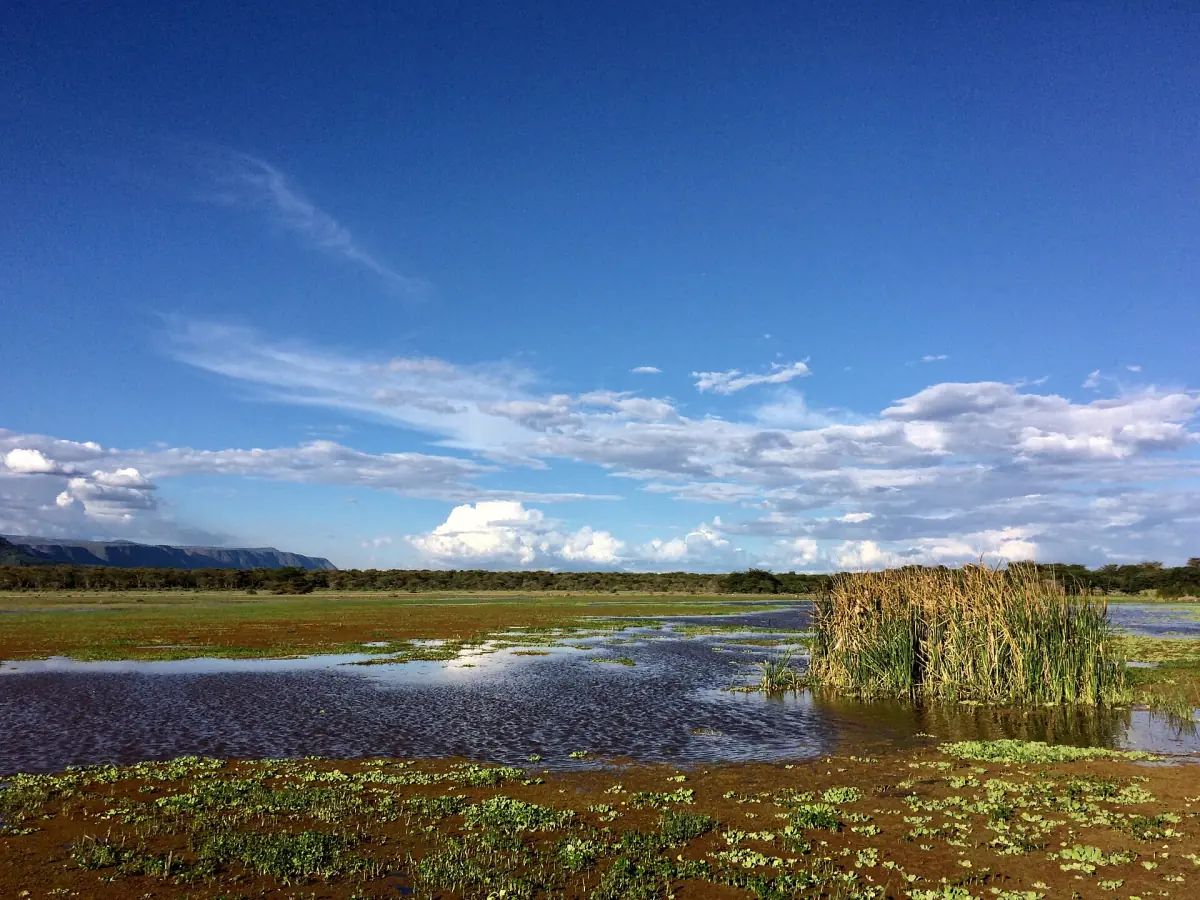
Weather and seasons
Rainy seasons, dry months and what they mean.
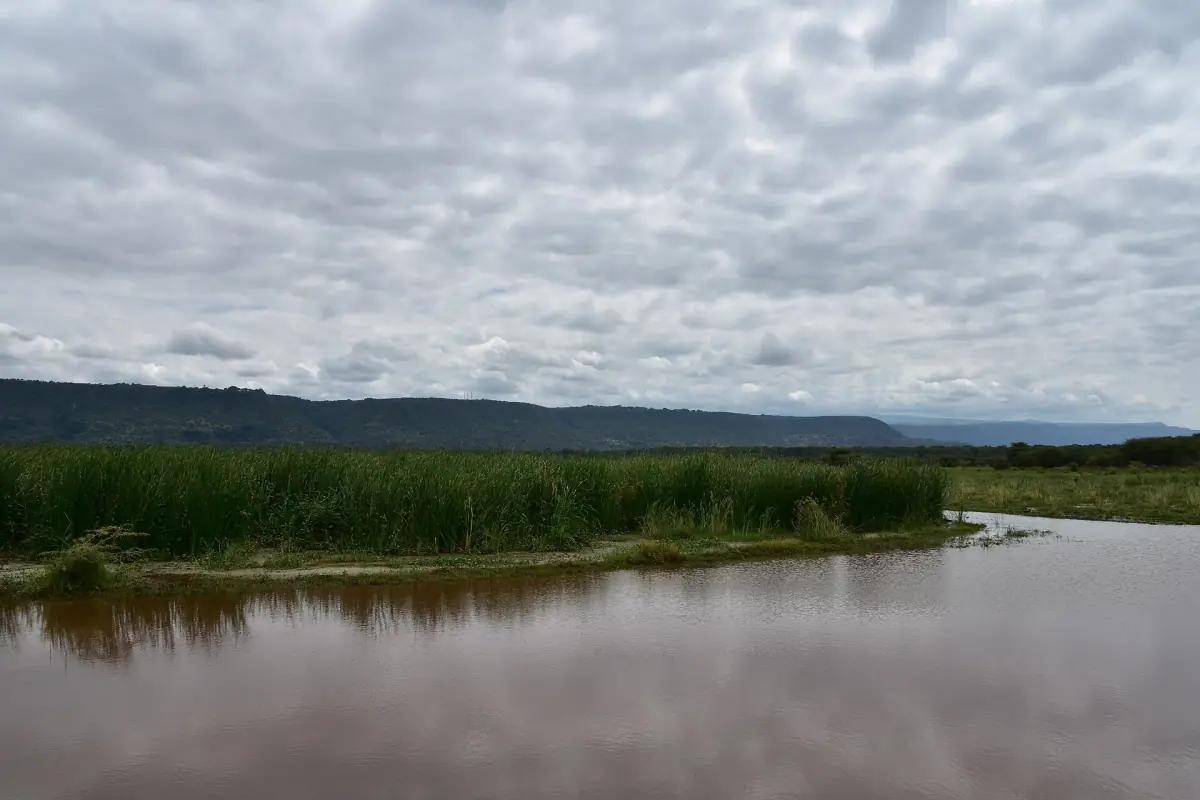
Maji Moto hot springs
The hot springs on the lakeshore route.
The soda lakes further north have their own flamingo story. For that, see the flamingos at Lake Natron.
Lake Manyara flamingos and birds: frequently asked questions
Are there always flamingos at Lake Manyara?
No. Flamingos gather in some months and are scarce in others, depending on the season and the state of the lake. Do not plan the trip around them.
Which flamingos live at the lake?
Lesser and greater flamingos, together with pelicans and other waterbirds.
How many bird species are there?
Counts run from more than 380 to more than 400 species, depending on the area counted, so use the figure as a rough guide.
When is the best time for birds?
The dry months are a good general choice, but there is no month that guarantees flamingos. Ask your guide what the lake looks like in the days before you arrive.
Can I do birdwatching on foot?
Walking safaris and canoe trips are part of the park's activities, but they need arrangements with the park and a ranger. Ask about current availability before you book. See the activities page.
Is this the official website of the park?
No. This is a visitor guide that is not run by TANAPA or the park. For official rules and fees, ask the park or your operator.