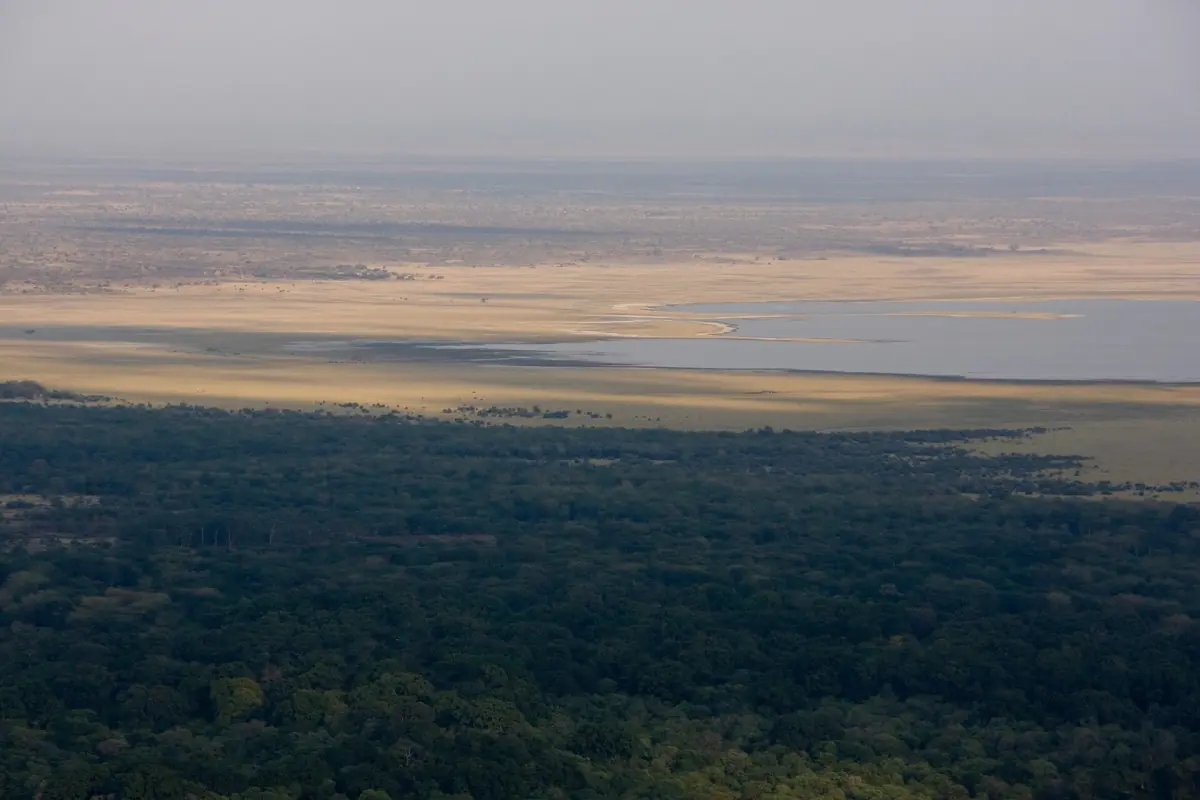
Lake Manyara history in brief
The area was a game reserve before it became a national park in 1960. Today Tanzania National Parks (TANAPA) runs the park, which covers 648.7 km² between the lake and the Rift Valley slope. Beyond the park boundary, UNESCO recognises a much larger biosphere reserve around the lake, nominated in 1981. The two are often mixed up, so this page keeps them apart.
Most visitors only meet the park rules, at the gate and on the tracks. If you want to know where the lake, the lions and the village fit into the story, the timeline below is a good place to start. For the landscape, see the Rift Valley escarpment, and for the fees that fund the park, see park fees.
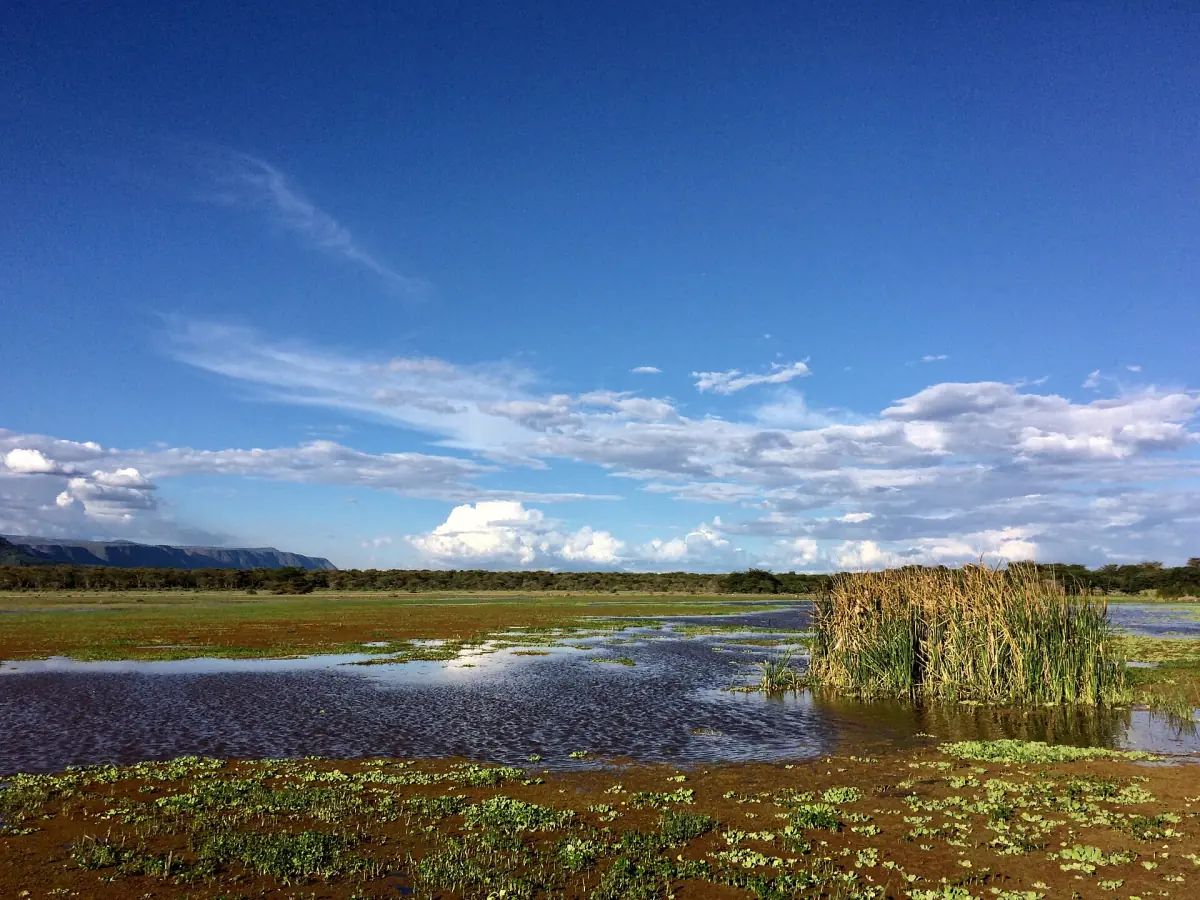
Timeline of Lake Manyara
The dates that matter for visitors.
Before 1960: game reserve
The area was protected as a game reserve before it became a national park.
1960: national park
The area became Lake Manyara National Park. The park covers 648.7 km² today, including the lake.
1981: biosphere reserve
UNESCO nominated Lake Manyara as a Man and the Biosphere reserve. It is not a World Heritage Site.
1995 and 1996: village tourism
The cultural tourism programme in Mto wa Mbu started as a pilot in 1995 and began regular work in 1996. It offers walks, market visits and tastings in the village at the gate.
Mto wa Mbu →2026: works at the airport
Rehabilitation works are planned at Lake Manyara Airport in 2026. Ask your operator about flights before you book.
Getting there →Our pick: a village day for local culture
This guided day in Mto wa Mbu covers markets, crafts and a local home rather than park history.
Hand-picked tours, booked through GetYourGuide. Prices are indicative starting prices in US dollars (as of October 2026). Tap a tour for live availability and the current price in your currency.
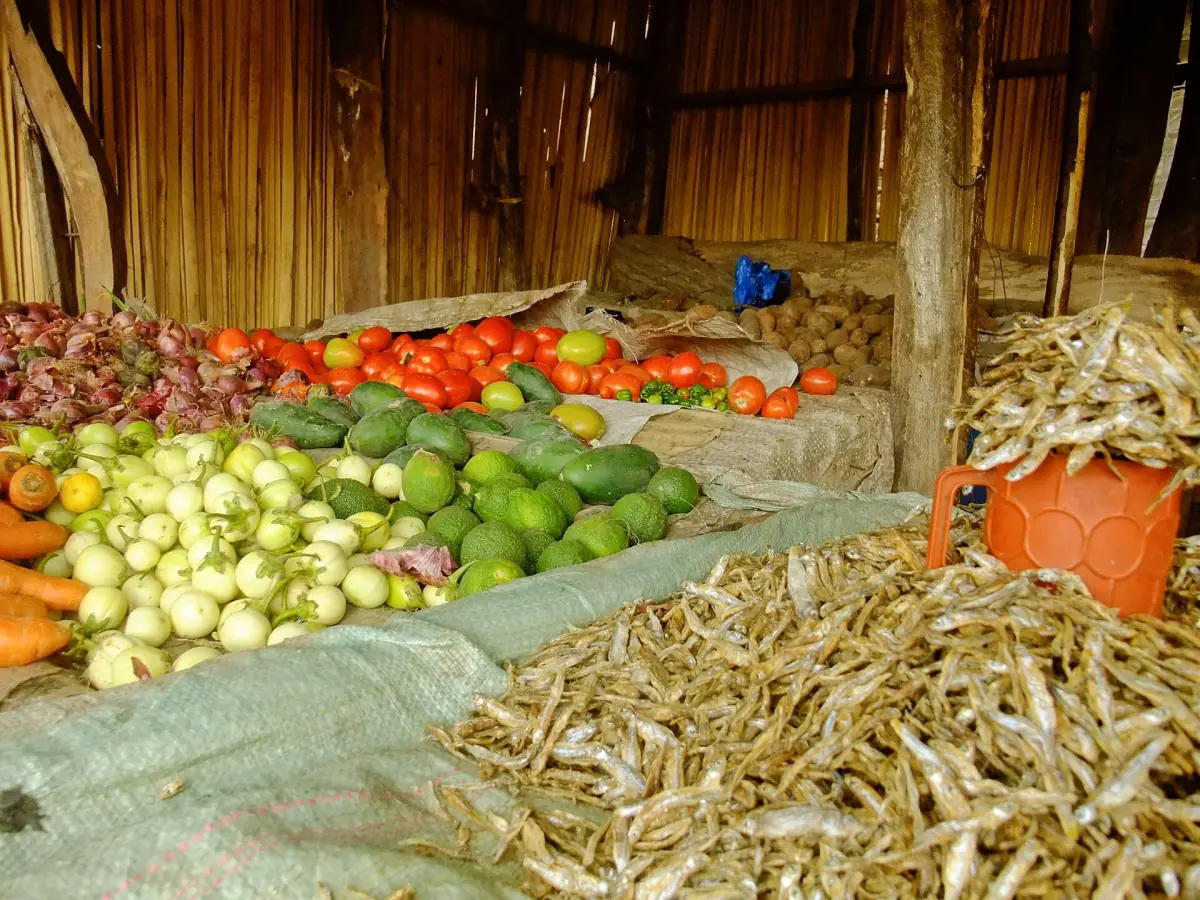
Lake Manyara tours and safaris
Day trips and game drives that cover the national park, with live prices and availability.
Lake Manyara biosphere reserve
A larger area than the national park.
The Lake Manyara biosphere reserve covers 346,761 hectares and has a population of 257,147. That population covers the whole reserve, not the village of Mto wa Mbu alone. Farming and livestock keeping are important activities in the reserve. The reserve includes many kinds of land use, so not every part of it follows the visitor rules of the national park.
A biosphere reserve is a different kind of protection from a national park. It aims to combine conservation with sustainable use by people who live there. The biosphere reserve is not a World Heritage inscription. If you plan to walk in the villages or use cycling and cultural tours at the edge of the park, you move between these zones. The activities page explains what happens inside the park and what does not.
The name Manyara
The name comes from emanyara, the Maa word for a plant, Euphorbia tirucalli.
What the history means for your visit
The park is small by Tanzanian standards, so history is mostly visible through its landscape: the lake, the forest at the foot of the wall, and the farmland beyond the gate. The tree climbing lions are the best known wildlife story, and the lake with its birds is the other. Neither is a fixed attraction, because the lake level and the animals change from year to year.
Park, reserve and village compared
Who runs what.
| Place | Status | What visitors notice |
|---|---|---|
| Lake Manyara National Park | National park since 1960, run by TANAPA | Gate, fees, game drives and park rules |
| Lake Manyara biosphere reserve | UNESCO reserve, nominated 1981 | Farmland, villages and grazing around the lake |
| Mto wa Mbu | Village at the park gate | Market, cultural programme and places to stay |
For most visitors, the national park is the destination and the village is the base. The reserve is the wider setting. For a quick overview, use the start page.
Lake Manyara history: frequently asked questions
When did Lake Manyara become a national park?
In 1960. It was a game reserve before that.
Is Lake Manyara a UNESCO World Heritage Site?
No. It is a UNESCO Man and the Biosphere reserve, nominated in 1981. That status is different from World Heritage.
How big is the park?
The park covers 648.7 km², including the lake. The biosphere reserve is larger, at 346,761 hectares.
What does the name Manyara mean?
It comes from emanyara, the Maa word for the plant Euphorbia tirucalli.
Is this site run by the park or by UNESCO?
No. This is an independent travel guide, not run by TANAPA, UNESCO or any authority, and it has no link to safari operators or lodges.